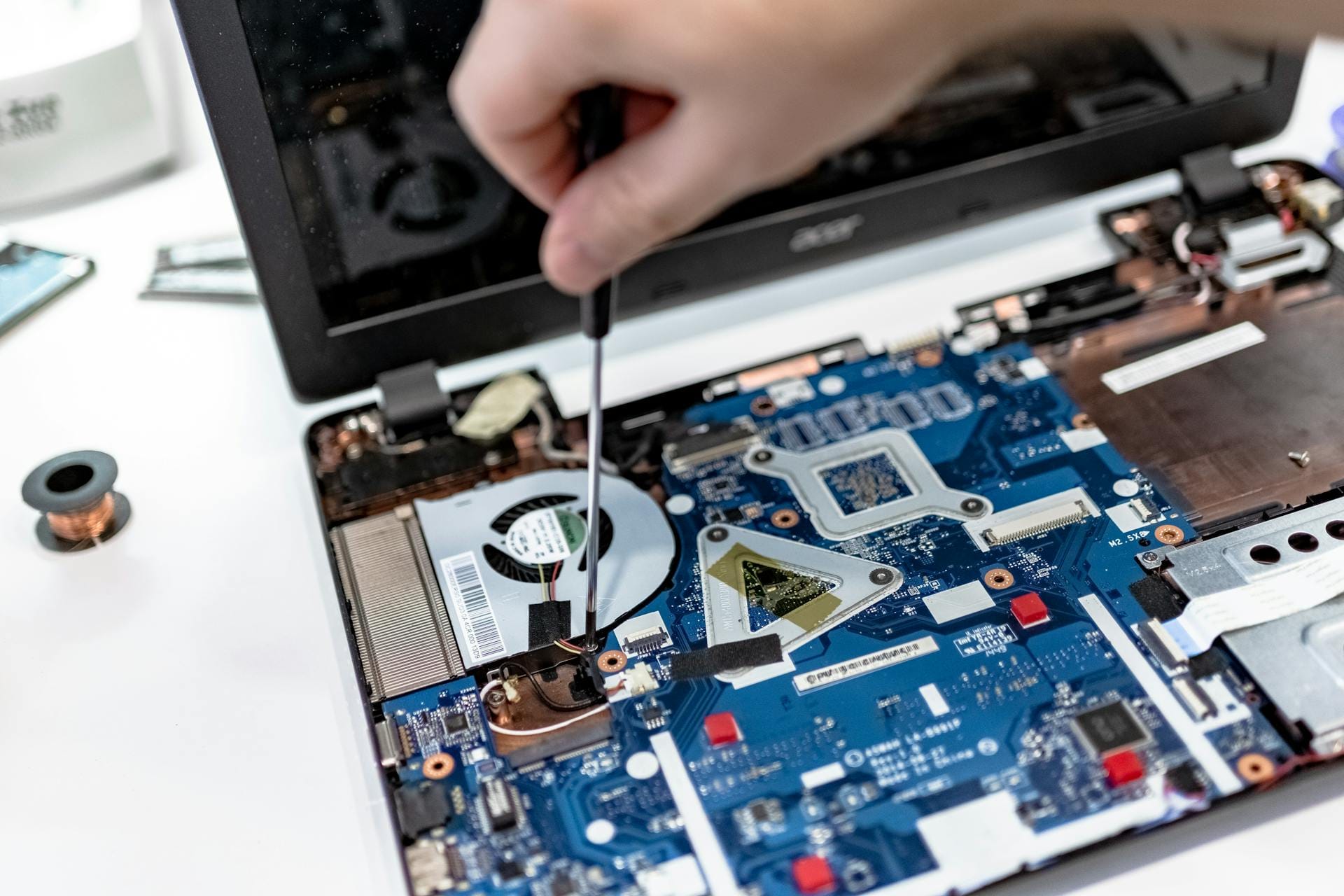
February in London, Ontario holds on to its icy grip a bit longer than most expect. While days start to get a little brighter, the air is still cold, and that affects more than just your morning commute. For anyone using a laptop daily at home or work, strange behaviour often shows up this time of year. From battery drain to machines that take forever to start up, seasonal changes play a bigger role than people realise.
Local laptop repair shops tend to see patterns year after year during the last weeks of winter. We see more freezing screens, parts that stop responding, and strange short-outs that did not show up before. It is around this point that wear from the colder months starts showing itself more clearly. If you are planning to bring your machine in soon, here is what you can expect.
Winter Wear and Tear That Shows Up in February
Laptops handle a lot during winter without showing any signs of stress, until they do. The problems that show in February often come from small impacts gathered over the last few months.
- Cold air can make outer casings brittle. Moving a laptop from a warm room to a freezing car and then back again causes tiny shifts in the shell, which eventually leads to cracked screens or creaking hinges.
- Dry indoor air builds static. Without enough humidity, static shock becomes more common when plugging things in or touching metal parts. This kind of static can affect ports and even internal circuits.
- Batteries work harder in cold air. Many people notice their charge drains faster after outdoor travel or a cold night. These slowdowns are often brushed off, but they are sometimes the sign of aging or cold-damaged cells.
- Condensation is another hidden hazard. Bringing a cold laptop indoors and powering it up too fast can cause tiny bits of moisture to collect inside. Over time, that leads to corrosion or board issues.
By the end of February, we see more wear on the moving parts too. Things like fan motors, power buttons, or even trackpads start to act up after months of steady use with less than ideal conditions.
Laptops are used almost daily, so even small issues that seem harmless in December or January can slowly get worse by February. Sometimes it takes colder nights to reveal trouble that was slowly building up but easy to miss. While a slow battery or creaky hinge might seem like only a small annoyance, both can hint at bigger trouble. Regular winter use also means laptops are plugged in more often, which can wear out port connectors or cause the adapter to bend. This can lead to poor charging or a loose power connection. These small things stack up, showing that even gentle winter use has its hidden dangers.
Expect a Season-Aware Diagnosis
Not all tech issues are clear-cut, especially when winter weather is still hanging around. Devices often do not misbehave constantly, which makes figuring out what is wrong more involved.
Shops that know what late winter does to laptops often start with a wider check. We usually see these types of winter-related issues more often in February:
- Fan noise or slow booting caused by dust that built up over indoor months. Laptops used more often during hibernation or study breaks tend to pull in more lint, pet hair, and household dust.
- Edge warping on plastic casings or slightly raised keys from temperature fluctuation. Some do not notice this until pieces stop aligning well or buttons stop pressing evenly.
- Vents and grilles clogged with dry particles that never got cleaned earlier in the season. That blocks airflow and adds pressure to the system.
We also take extra time when warming up machines before diagnostics. A laptop fresh from a cold car does not always behave right until it adjusts to room temperature. That few extra minutes can make a major difference in getting a proper result.
A winter-damaged laptop may show different issues day to day. There are times when it boots perfectly at home but struggles elsewhere, or it only acts up after being carried outside. By checking a device in the same conditions it has lived through, repair shops can spot patterns linked to recent weather shifts. For example, repeated freezing and thawing may cause small cracks inside that loosen connections. Having a shop familiar with London, Ontario conditions means better, more accurate repairs and fewer returned jobs.
Repairs May Take a Little Longer (And That’s a Good Thing)
Cold months are not ideal for quick fixes. Plastic and metal react differently in cooler temperatures, and some repairs need more care to avoid causing new cracks or splits.
- Parts like touchscreens, keyboard assemblies, or internal brackets can be fragile after exposure to winter air. Trying to rush through removal or reinstallation not only feels risky, it increases the chance of breakage. In February, we test more slowly and heat pieces gently before handling them.
- For laptops that show signs of moisture affect or internal dampness, we leave extra time for warming and drying. Speeding through a repair where condensation might be hiding under a board could spell bigger trouble later.
- Late winter is surprisingly busy. Everyone who waited through the holidays suddenly brings in their sluggish device. That means slightly longer queues, but it is not a drawback. It just makes it easier to give each job the time and attention it actually needs.
Staying patient while waiting for a laptop to be fully checked and repaired is worth it. Most hidden issues will show themselves only under the right conditions, which makes seasonal handling important.
Sometimes, fixing the problem right away is tempting, but with some parts more fragile in winter, rushing is not a good plan. Letting each laptop adjust to the workroom temperature is important, as this eases the stress on materials and lets repairs last longer. Shops that plan their work with the season in mind may ask for more time on your repair, and that is a sign they care about quality. Slower repairs are often safer and mean that hidden winter issues do not sneak by unnoticed.
Practical Perks of Choosing a Local Shop in London
Trying to fix winter wear with a national service can come with delays, especially if nasty weather hits. Staying local just makes more sense when the roads are still icy and the weather unpredictable.
- Local repair shops understand the late-season laptop issues that happen in Ontario. We are used to the way cold fronts, dry air, and road salt affect machines coming through the door.
- With local shops, there is no need to ship your device off and lose it for a week. You can usually walk in, explain what has been going on, and get a straight answer. If a check is needed, you are just a short trip away from coming back in.
- National shipments in winter risk even more exposure to the elements. A parcel sitting in a freezing truck overnight can undo earlier repairs or make new problems worse. Seeing someone nearby cuts down that kind of risk entirely.
Choosing local means you deal with people who understand not just technology, but the weather factors that indirectly affect it too.
When you walk into a shop right in London, Ontario, repairs are handled by people who have seen similar cases all winter long. If you mention your laptop felt slow after a night in the car, a local specialist knows what likely caused it. This familiarity makes a real difference. Local repair shops can often source the right parts more quickly. Instead of waiting on out-of-town deliveries slowed down by storms or bad roads, you get the benefit of short supply chains and experienced hands.
How February Repairs Help You Head Into Spring Smoothly
Fixing up a laptop before the seasons shift does more than just solve today’s issue. It prevents worse problems from creeping up later, especially as we all move into busier spring routines.
- Small cracks or splits from the cold can expand as temperatures warm. Getting repairs done now stops growing damage that tends to get worse in March or April.
- Batteries that slowed down in February cold will not suddenly fix themselves. If they have aged or dried out, warmer weather may cause swelling instead of improvement. A check clears that up before spring hits.
- Fan problems and overheating can start from winter dust leading to blocked vents. Fixing airflow issues now cuts out the risk of throttling or total shutdown when spring temperatures rise.
Taking care of laptop repairs now gives peace of mind for everything coming next. Whether that means school deadlines, project work, or just longer days spent working outside the house, a smooth-running device makes all the difference. Season by season, that kind of timing really adds up.
There are extra benefits to getting repairs finished before March. Problems like worn out screens or unresponsive keyboards sometimes seem minor now, but early fixes mean you are not dealing with hassles later on. Sometimes, simply cleaning vents and making sure batteries are healthy can extend your laptop’s life. Planning ahead now sets you up for an easier spring, no matter what your routine looks like when the cold finally leaves. Getting small issues fixed means your laptop is dependable for the months ahead.
When your laptop is running slow or the screen is unresponsive, late winter is the perfect time to have it checked before problems get worse. At Forest City Computer Repairs, we have helped many clients in London, Ontario, handle seasonal tech issues quickly and locally, saving you the wait for distant services. Learn more about our work with laptop repair shops. Ready to book a visit? Contact us today.